The Complete History of Bubba Ho-Tep
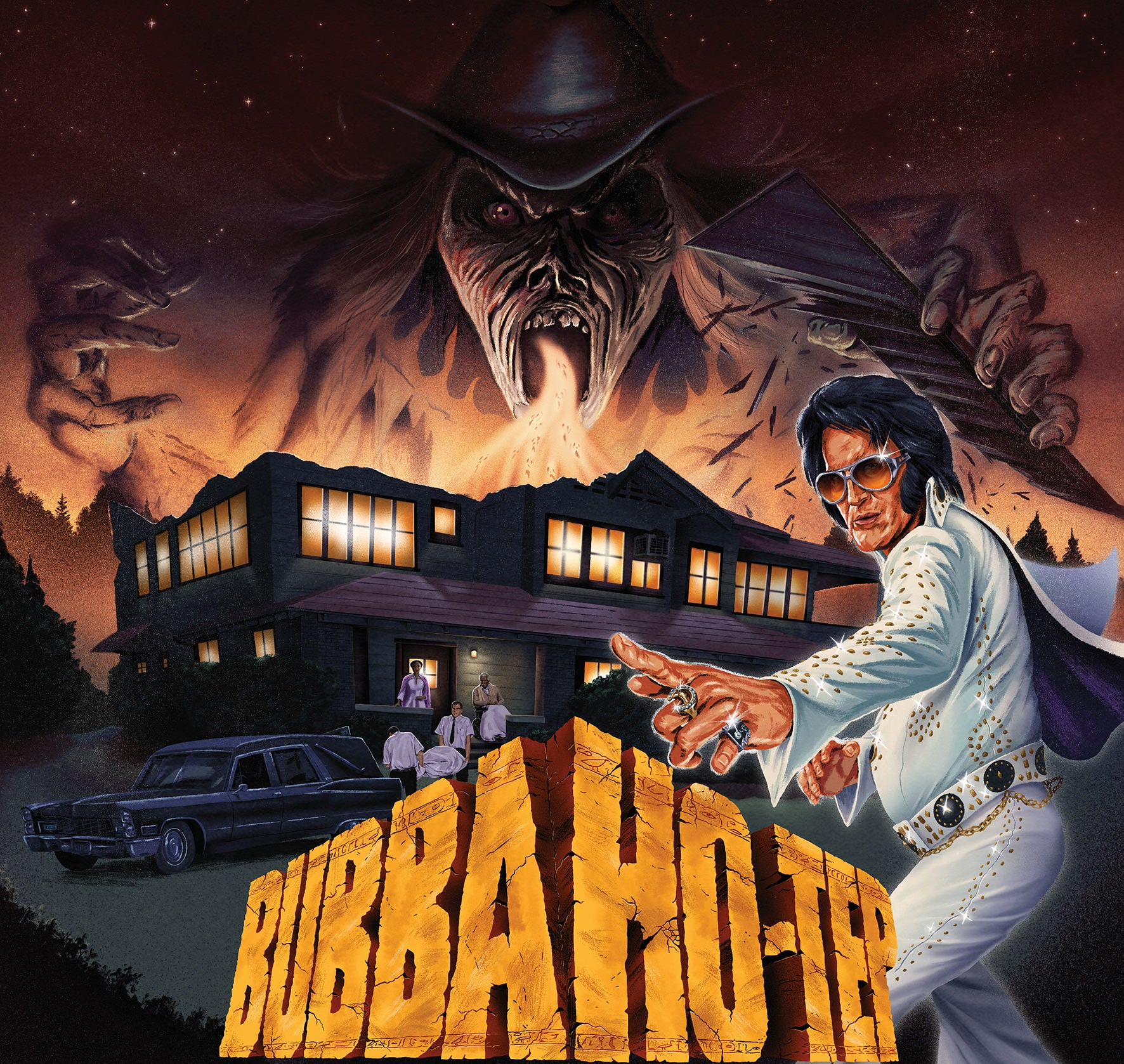
The history of Bubba Ho-tep starts all the way back in 1988!
The Seeds Are Planted (1988-1994)
The story of Bubba Ho-Tep begins in 1988 at a now-defunct genre bookstore called Dangerous Visions in the San Fernando Valley. Director Don Coscarelli, already known for his work on Phantasm and The Beastmaster, walked into the store looking for something new to read.
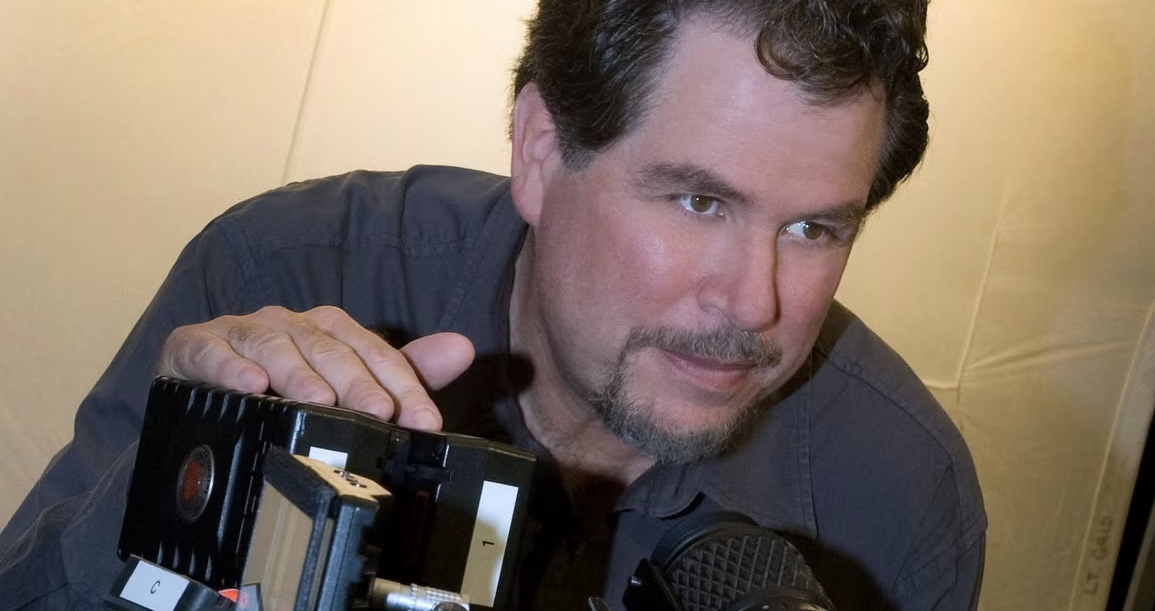
Don Coscarelli brought Bubba Ho-tep to the big screen
The clerk handed him a book by Texas author Joe R. Lansdale with a simple recommendation: "Lansdale always has a high body count."
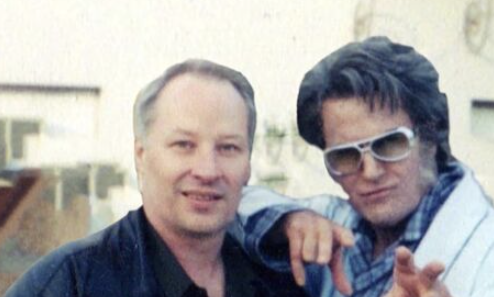
Coscarelli purchased the book and became an immediate fan, sparking a relationship that would change both their careers.
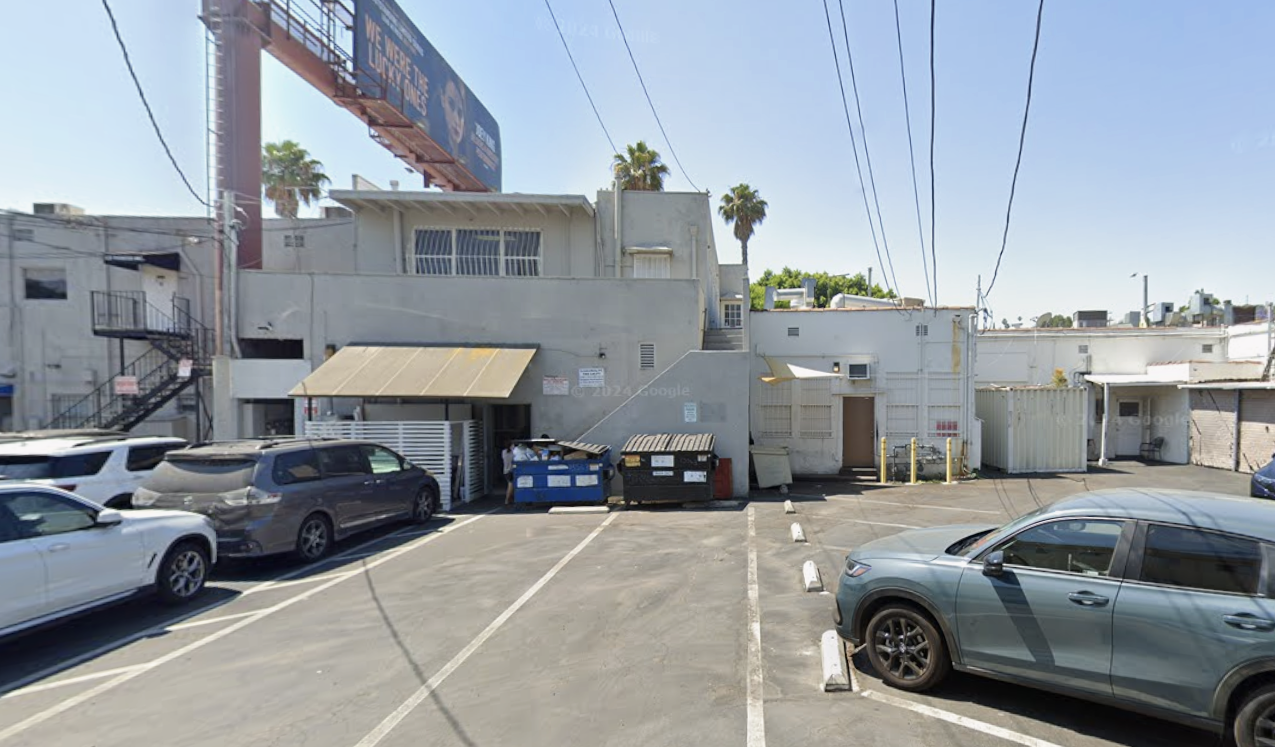
The former location of Dangerous Visions bookstore in the San Fernando Valley where Bubba Ho-tep was originally found.
That same year, Lansdale released his novel "The Drive In," and Coscarelli became determined to adapt it into a feature film. For several years, he worked closely with Lansdale to mount a feature film version, but despite their best efforts, the project remained fruitless. Still, the connection between director and author had been forged, and it would soon bear unexpected fruit.
On August 1, 1994, Joe R. Lansdale published an alternate history novella called "Bubba Ho-Tep" in the Elvis-themed anthology "The King is Dead." The story presented an audacious premise: an elderly Elvis Presley living in an East Texas rest home, having switched identities with an Elvis impersonator years before his "death" and then missing his chance to switch back. In the story, Elvis teams up with Jack, a fellow nursing home resident who believes he is actually President John F. Kennedy, and the two valiant old codgers sally forth to battle an evil Egyptian entity who has chosen their long-term care facility as his happy hunting grounds.
THE 90’s (1994-1999)
Coscarelli read Bubba Ho-Tep in 1994 and was immediately intrigued by the story, feeling it could inspire a terrific film. He optioned the movie rights from Lansdale, who thought it would never actually be made but later joked that "he was happy to take Coscarelli's money." By 1995, Coscarelli had finished the screenplay and began submitting it to various studios. The general consensus from the powers that be was that nobody would want to spend 90 minutes with two old codgers in a rest home. Undeterred, Coscarelli decided he would produce the film independently, but he knew he would need the right actor to portray "Elvis" before he could approach investors. Initially, he had visions that "Elvis" could be portrayed by multiple actors throughout the film.
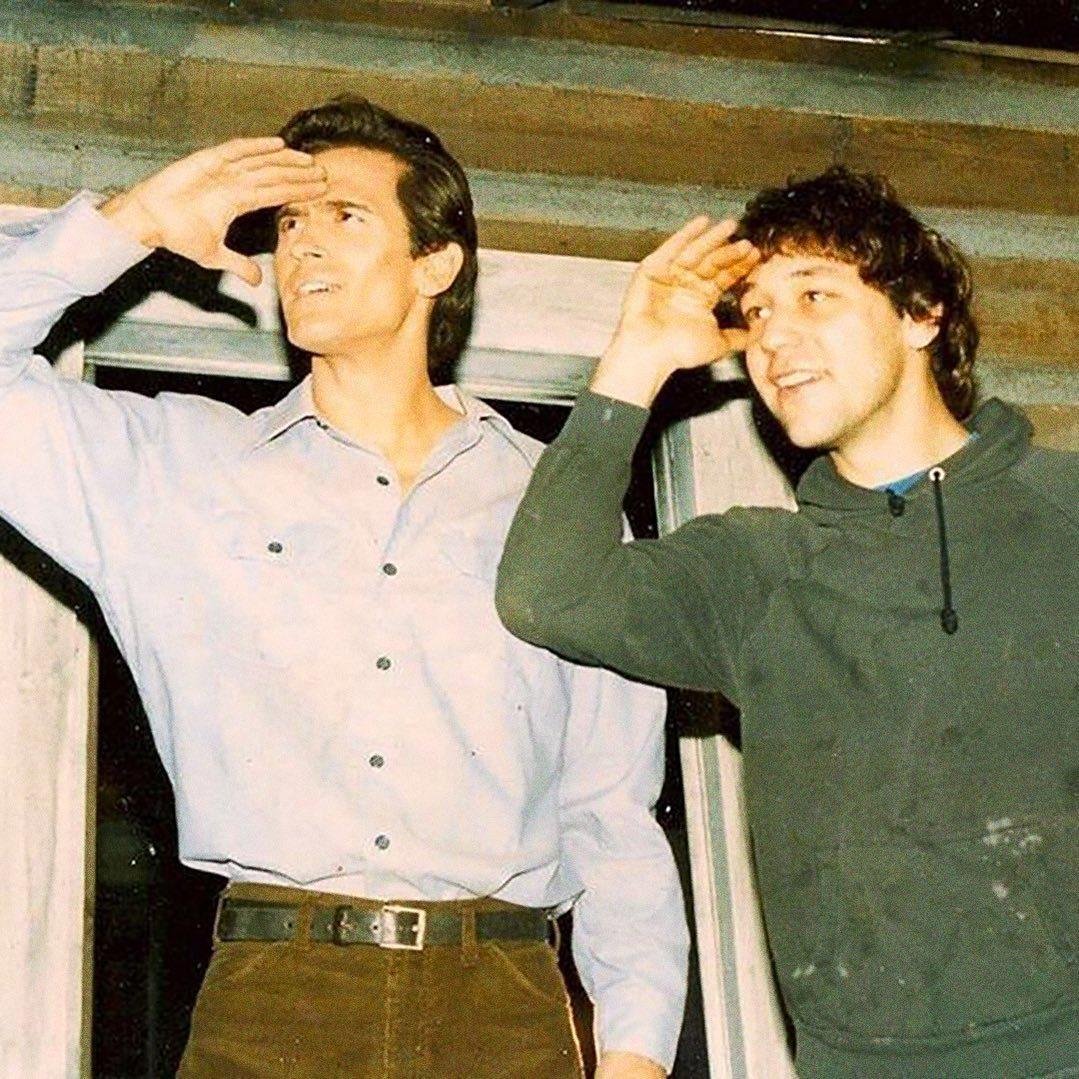
A prank call to Don Coscarelli from “Sam Raimi” led to the casting of Bruce Campbell in Bubba Ho-tep.
The breakthrough came in 1999 through an unlikely prank. Coscarelli received a voicemail at his office from his friend, director Sam Raimi, inviting him to a screening of "Close Encounters of the Third Kind." As Coscarelli later related in his memoir "True Indie: Life and Death in Film," when he called Raimi back, they realized they had been pranked and that there was no screening. During the conversation, Raimi asked what project Coscarelli was working on, and when he told him about "Bubba Ho-Tep," Raimi suggested, "You should talk to Bruce Campbell. He is a fantastic actor." Ten minutes later, Coscarelli's phone rang again. To his surprise, it was Campbell himself saying, "I hear you are making an 'Elvis' picture!"
Casting the Kings (2000-2001)
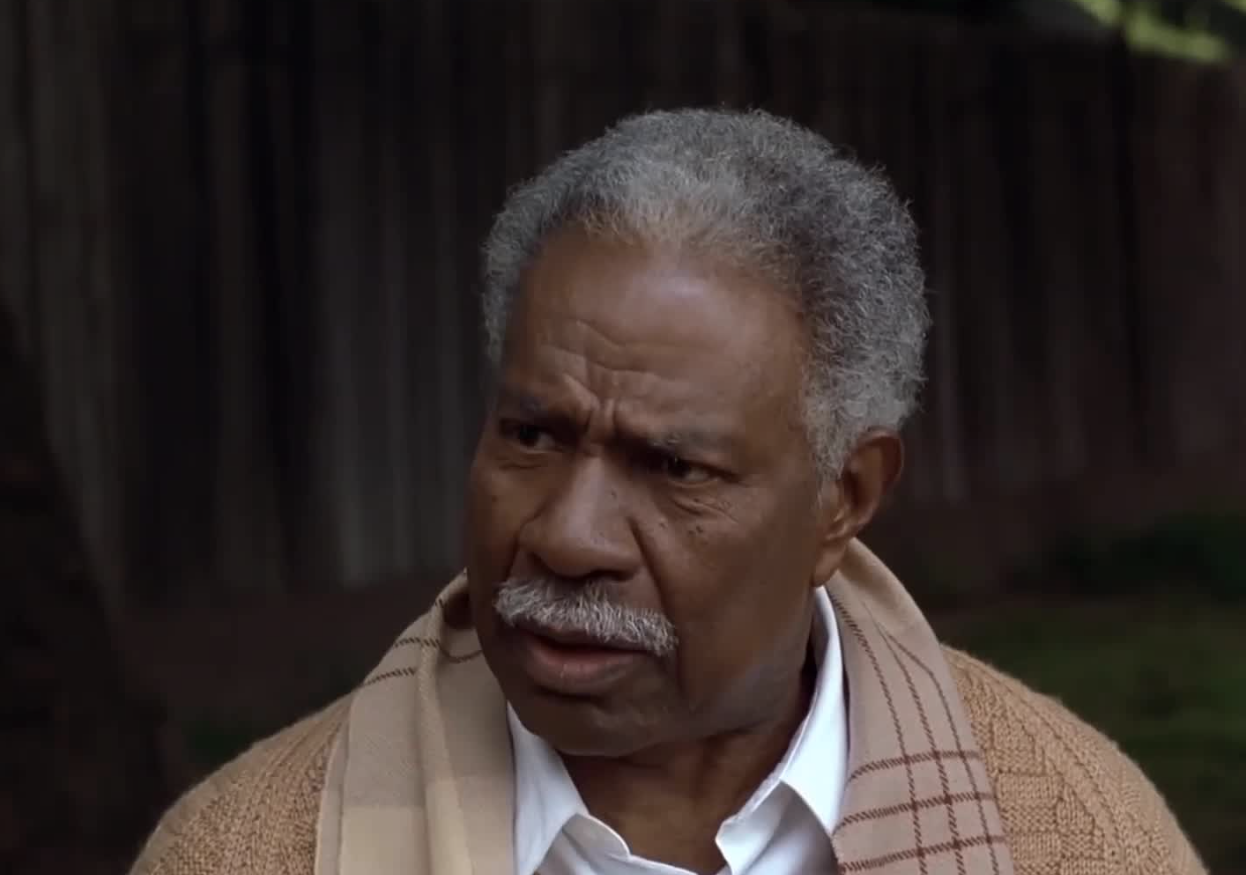
Ossie Davis gave an incredible performance in Bubba Ho-tep
Bruce Campbell was given the script in 2000, and after reading it, he signed on to portray both old and young "Elvis" in Bubba Ho-Tep. From the start, Coscarelli had envisioned the role of "JFK" being portrayed by legendary actor, director, author, historian, and social activist Ossie Davis. However, getting the script to Davis proved challenging. After numerous attempts to get his agent to pass along the screenplay, Coscarelli asked his friend, director Mick Garris (who had directed Davis in "The Stand"), to write a letter to him on his behalf. Coscarelli then flew to New York City to meet with Davis personally, and soon the actor signed on to co-star. Davis's agent was quoted as saying, "I don't like your script but my client does."
In 2000, Coscarelli attended his son's high school football game in Downey, California, and discovered it was right next door to the historic and abandoned Rancho Los Amigos Rehabilitation Center, formerly known as Hollydale Hospital. It was the perfect location for Bubba Ho-Tep. The exterior and interiors of the rest home would ultimately be shot there, along with many other scenes including the "Elvis" concerts, the Nacogdoches carnival, the "Elvis" trailer explosion, and more.
(The late great Adam The Woo visited the sets and immortalized them on video. Watch it here.)
Trusted Coscarelli collaborators and production designers Danny Vecchione and Justin Zaharczuk literally moved into the abandoned facility to begin converting the decrepit buildings into sets. (Read Don Coscarelli’s eulogy for Justin Zaharczuk here.)
In advance of filming in 2001, a tutorial session was scheduled with Las Vegas's number one "Elvis" tribute artist, Tim Welch. As Campbell tells the story, a few minutes into the session, the frustrated tutor packed up and declared, "You're on your own, Baby." Campbell would have to find his own way into the character.
Production Begins (2001)
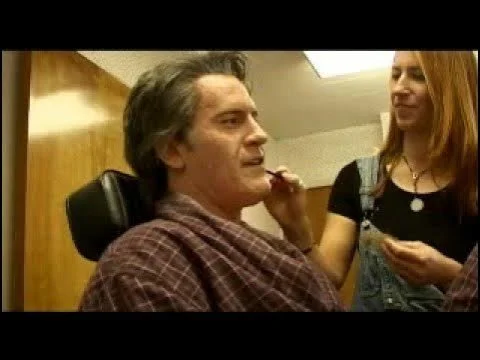
Behind the scenes shot of Bubba Ho-tep, with Bruce Campbell in the makeup chair.
Production on Bubba Ho-Tep began in 2001 with a cast that included Phantasm's Reggie Bannister, Ella Joyce, Larry Pennell, and legendary stunt performer Bob Ivy in the title role as "Bubba Ho-Tep." The film would shoot for three months at the Downey location on a shoestring budget with a skeleton cast and crew to keep costs low. Academy Award-winning special effects house KNB Effects signed on to create the prosthetics and old age makeup for the film. Bob Ivy went on an extreme fast diet to be able to fit into the skeletal Mummy suit.
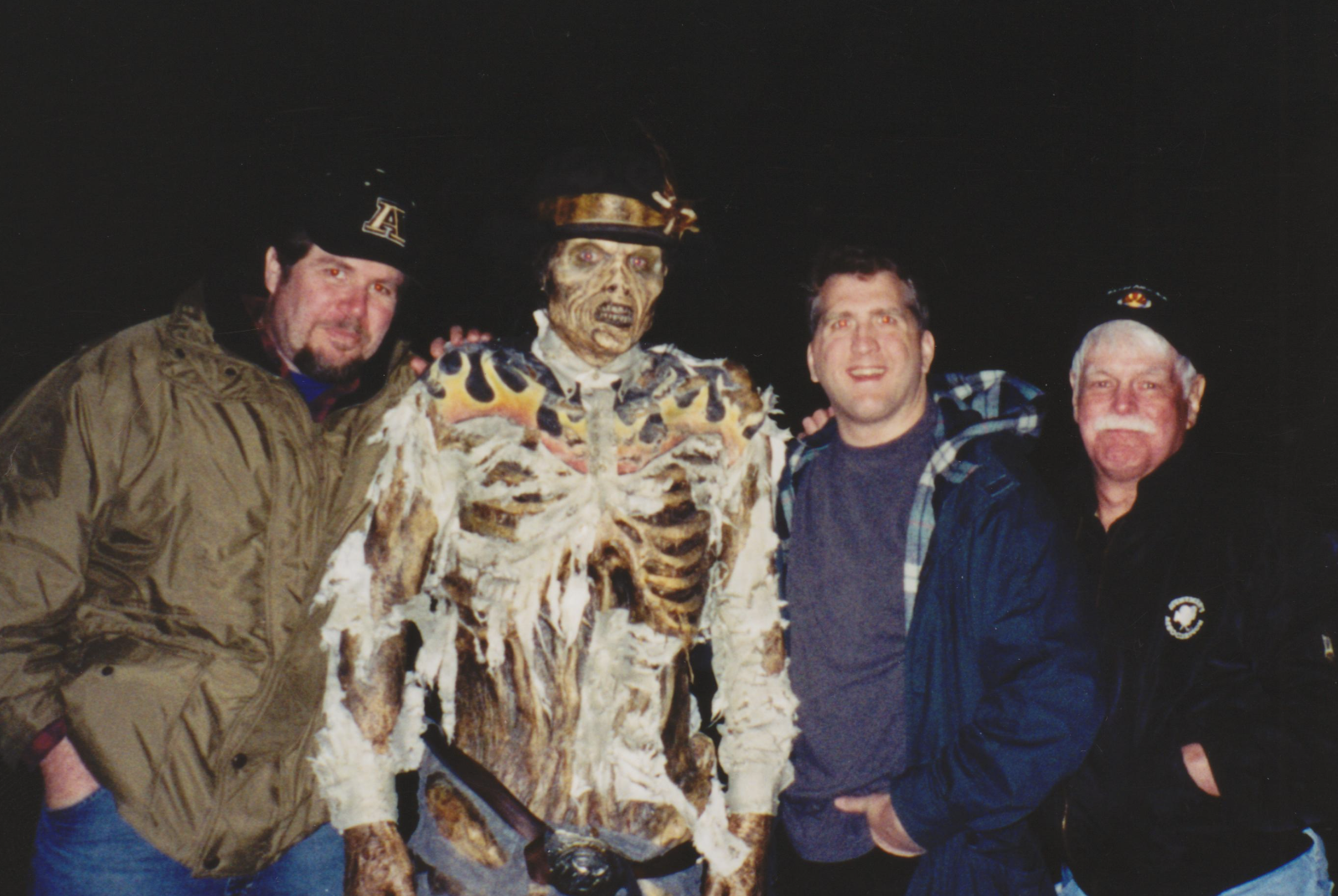
Don Coscarelli behind the scenes of Bubba Ho-tep with Bob Ivy, Daniel Roebuck, and Gary Kent
Costume designer Shelley Kay enlisted BK Enterprises, a clothing company that holds the actual patents and trademarks on the authentic "Elvis" jumpsuits. After reading the script, they agreed to assist with the creation of jumpsuits based on the actual suits worn by the King himself.
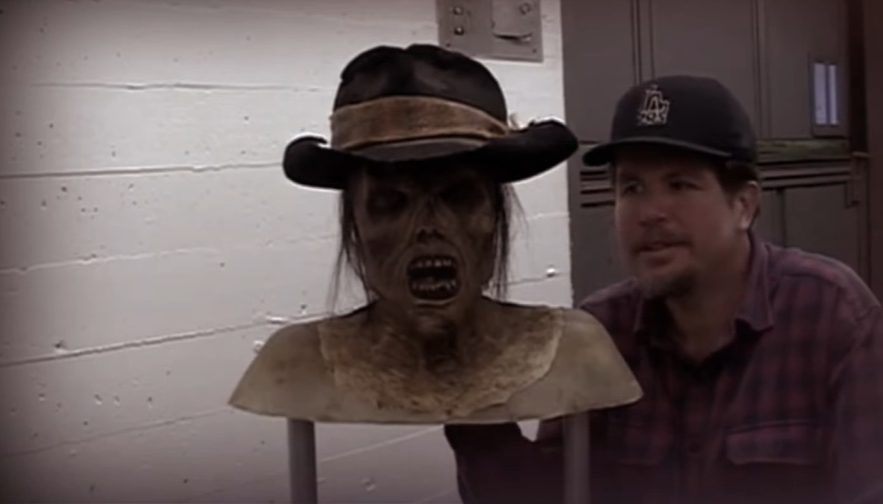
Behind the scenes at KNB FX creating the Bubba Ho-tep costume with Don Coscarelli
During production, writer/director and friend of Coscarelli, Roger Avary, who had received the Academy Award for co-writing Pulp Fiction, visited the Bubba Ho-Tep set in Downey. He fell in love with the location and asked permission from Coscarelli to shoot his upcoming film "The Rules of Attraction" on the Bubba Ho-Tep sets after production wrapped. Eagle-eyed fans might notice Jessica Beal dancing down a "dorm hallway" in that film, the same corridor that "Elvis" and JFK rolled through in Bubba Ho-Tep.
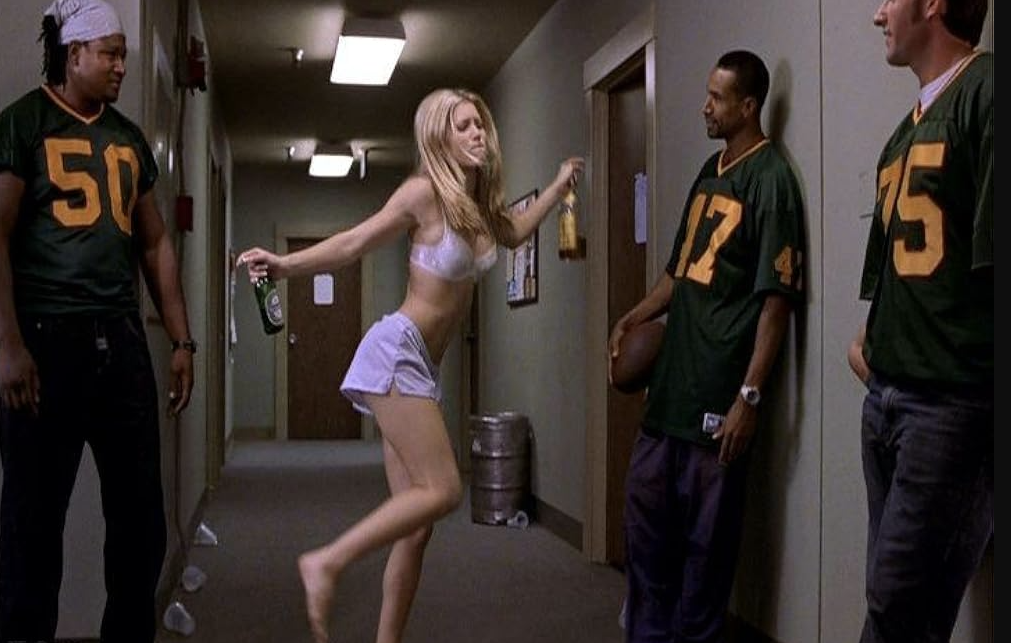
The Rules of Attraction by Roger Avary was filmed on the very same sets as Bubba Ho-tep
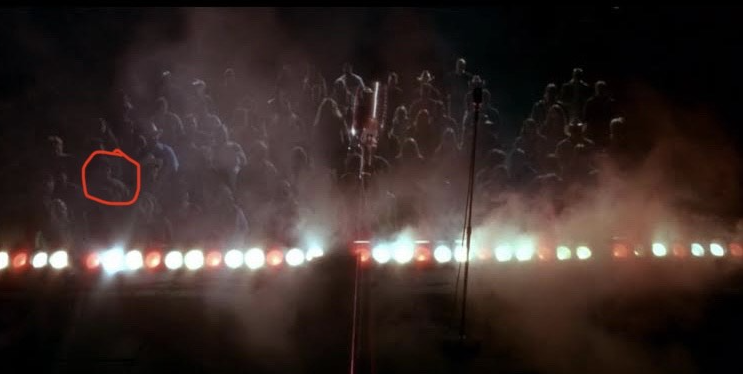
Word went out online that the production crew was seeking extras for the "Elvis" concert scene, and hundreds of horror fans showed up to be in the film. The only requirement was to wear clothes from the 1970s. A fun fact: the young Zoe Perry, who would go on to star in the television program "Young Sheldon," was one of those extras. Production wrapped at the end of 2001.
Post-Production and Music (2001-2002)
After production wrapped, Coscarelli locked himself in an editing bay for months working on the first cut of Bubba Ho-Tep. The film was one of the first to be edited on a Mac computer using Final Cut Pro 1.2, a process that would soon become industry standard thanks to films like “Bubba Ho-Tep” and "The Rules of Attraction" blazing the trail.
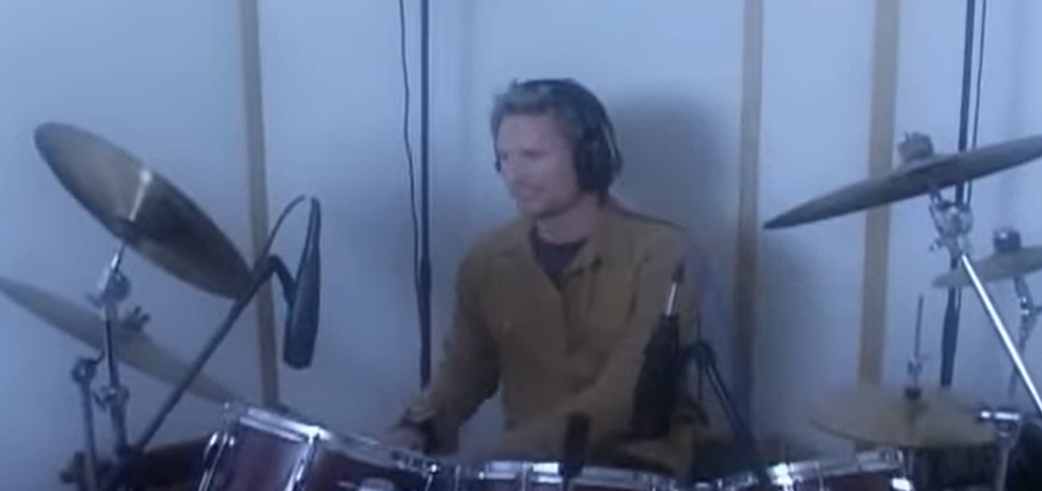
Brian Tyler’s Bubba Ho-tep soundtrack is a fan favorite!
In 2002, emerging film composer Brian Tyler signed on to create the music score. Due to the limited budget, he performed every instrument on the soundtrack himself, including guitar, drums, piano/keyboards, bass, and vocals. Tyler would go on to become one of the top composers in the world, scoring blockbusters such as Iron Man 3, Avengers: Age of Ultron, and the Fast & Furious franchise. He refers to Bubba as "lightning in a bottle." In Don Coscarelli’s patented “True Indie” style the final pickup shot for Bubba Ho-Tep was filmed in Coscarelli's backyard, and a final edit of the film was locked in May 2002.
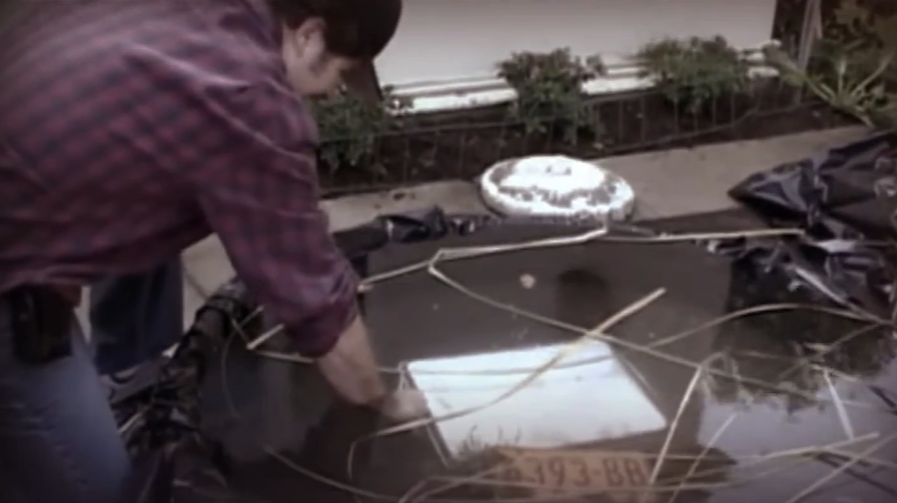
Filming the final Bubba Ho-tep scene with Don Coscarelli
Festival Circuit and Studio Rejection (2002-2003)
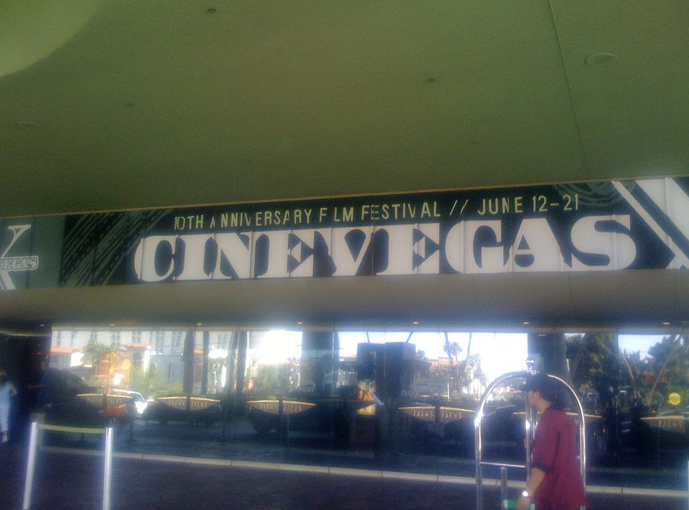
Bubba Ho-tep premiered at Cinevegas.
The worldwide premiere of Bubba Ho-Tep took place in 2002 at the inaugural Cinevegas Film Festival at the Palms Hotel in Las Vegas. The festival was founded by Sundance programmers Trevor Groth and Mike Plante, and the Bubba Ho-Tep premiere was the hottest ticket of the festival, playing to a sold-out audience. It was the first time the general public saw the film, and the entire cast was in attendance.
The reviews and audience reactions "went viral" from the Cinevegas screening all across the web, and the buzz was building at a fever pitch for Bubba Ho-Tep online. During the summer of 2002, building on the excitement from the Vegas world premiere, all the major movie studios hosted private screenings for their executives of the finished film. The feedback was all the same: no studio believed an audience would be interested in seeing a film that focuses on the elderly.
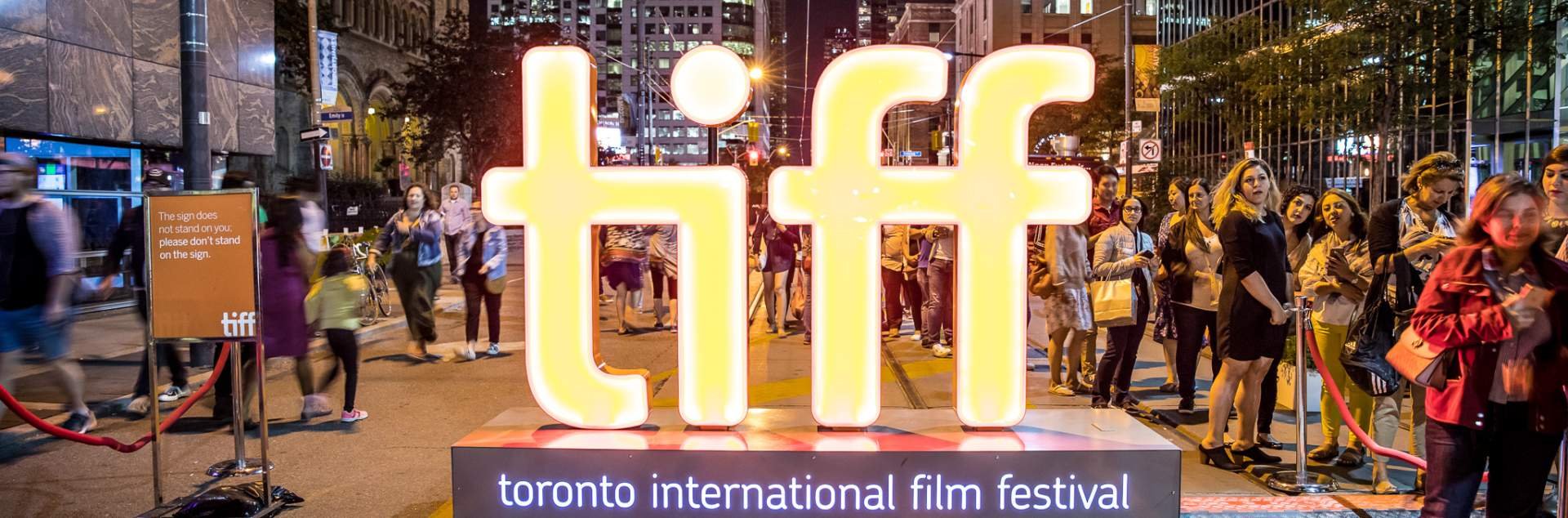
The Canadian premier of Bubba Ho-tep took place at the prestigious Toronto International Film Festival
In 2003, Bubba Ho-Tep had its Canadian premiere at the distinguished Toronto International Film Festival to a sold-out screening of over 1,000 audience members who gave the film another incredible ovation. The film then had its Los Angeles premiere at, of all places, Grauman's Egyptian Theatre on Hollywood Boulevard with the entire cast present. That same year, Coscarelli's screenplay for Bubba Ho-Tep won Best Screenplay at HBO's US Comedy Arts Festival and a Bram Stoker Award in New York City.
Bubba Ho-Tep continued its run on the film festival circuit, playing more festivals across the world, including SXSW. As the year went on, no studio showed interest in releasing the film. The filmmakers were unsure how to proceed and wondered if the film would ever see the light of day.
Self-Distribution Success (2003-2004)
In 2003, WGN Chicago Radio Host Nick Digilio went live on his program after seeing a festival screening of Bubba Ho-Tep.
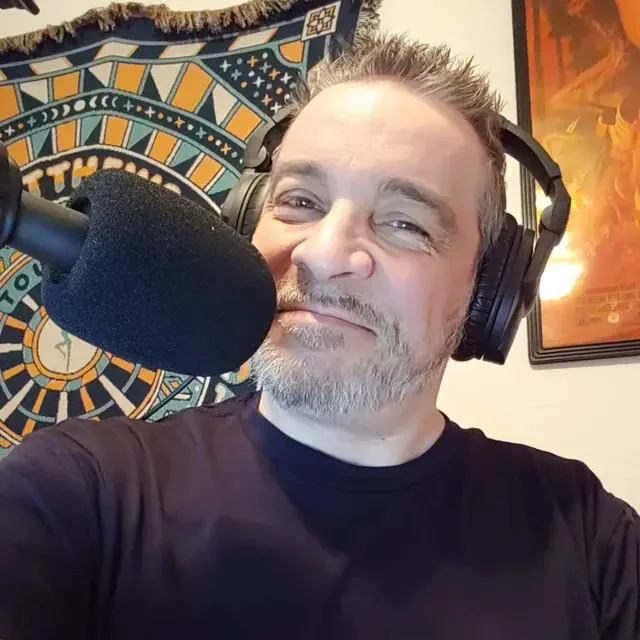
WGN Radio Host Nick Digilio raved about Bubba Ho-tep live on the air in 2003.
Digilio called the film "a significant piece of American cinema" and ranted that the film must be seen by a widespread audience. Coscarelli heard Digilio's passionate review and made a bold decision: he would self-distribute the film himself theatrically.
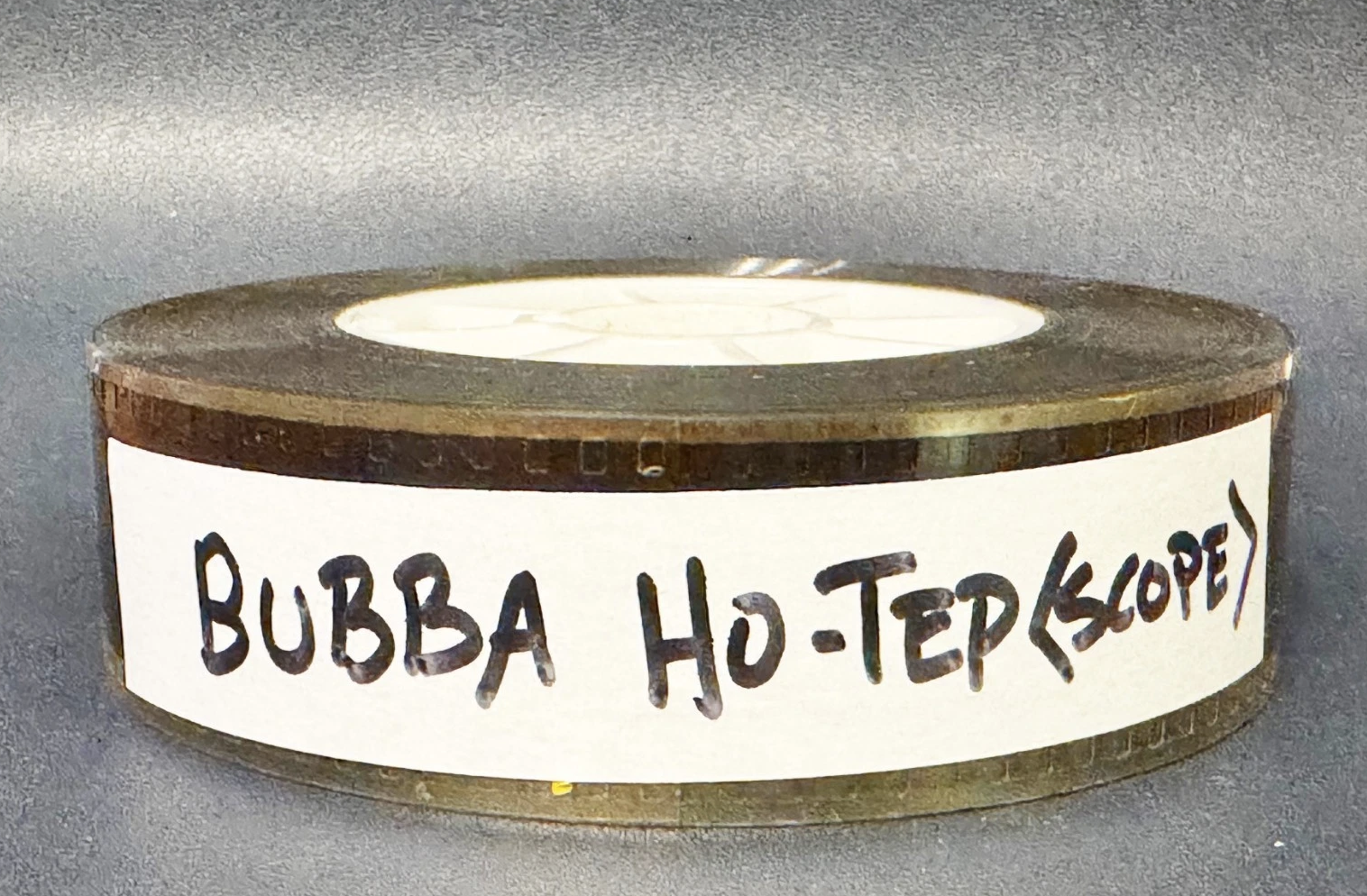
Bubba Ho-tep was meant to be watched on film.
As this was the pre-digital age, Coscarelli had to "strike" physical 35mm film prints of Bubba Ho-Tep. He partnered with David Shultz of Vitagraph Films, and with the advice of mentor Tim League, founder of the Alamo Theater chain, together they booked a rolling roadshow of the film in independent theaters across the country. Coscarelli, Bruce Campbell, and other actors from the film attended many of these screenings.
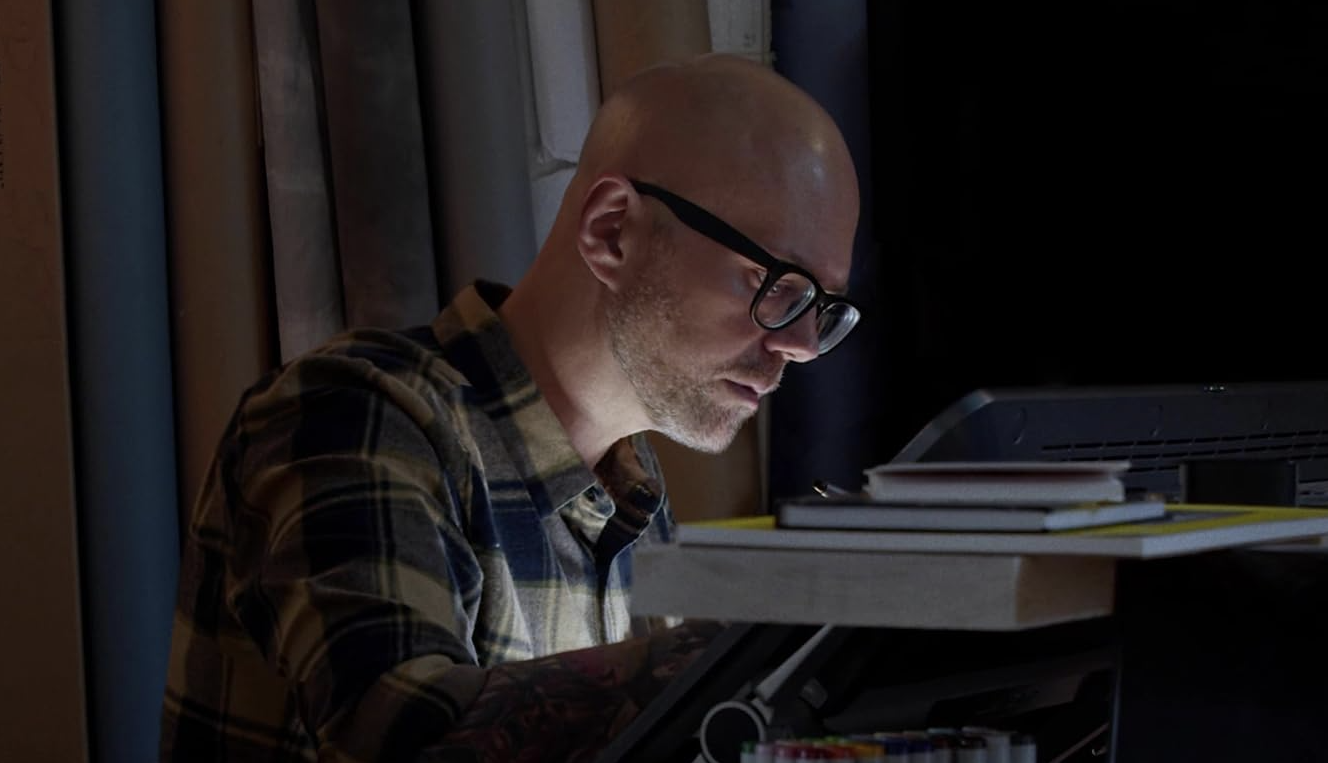
Artist Aaron Lea did an incredible job on all of the artwork for Bubba Ho-tep
Texas artist Aaron Lea designed the one-sheet poster for Bubba Ho-Tep, which would be displayed at theaters all across the world. Lea would go on to collaborate with Coscarelli on future projects, along with Rob Zombie, Lucasfilm, Marvel Studios, GHOST, and many more. Aaron also designed the original Bubba Ho-Tep website.
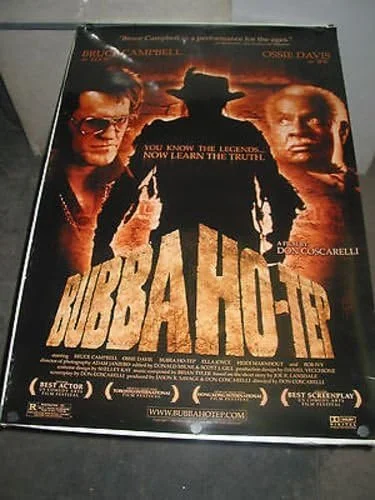
An original one sheet poster for Bubba Ho-tep designed by Aaron Lea
With help from then television producer Brad Baruh, the official theatrical trailer for Bubba Ho-Tep premiered on E! News and proceeded to go viral online on the newly started Apple Trailers website. The initial markets had record sellouts, and Bubba Ho-Tep became a North American independent theatrical hit. In 2004, the film also played theatrically all across the world, delighting international fans. Fans who stayed until the end of the credits noticed a special end credit teasing a future Bubba sequel entitled "Bubba Nosferatu: Curse of the She-Vampires." The internet was abuzz with the possibility of "Elvis" fighting vampires.
Home Media (2004-2005)
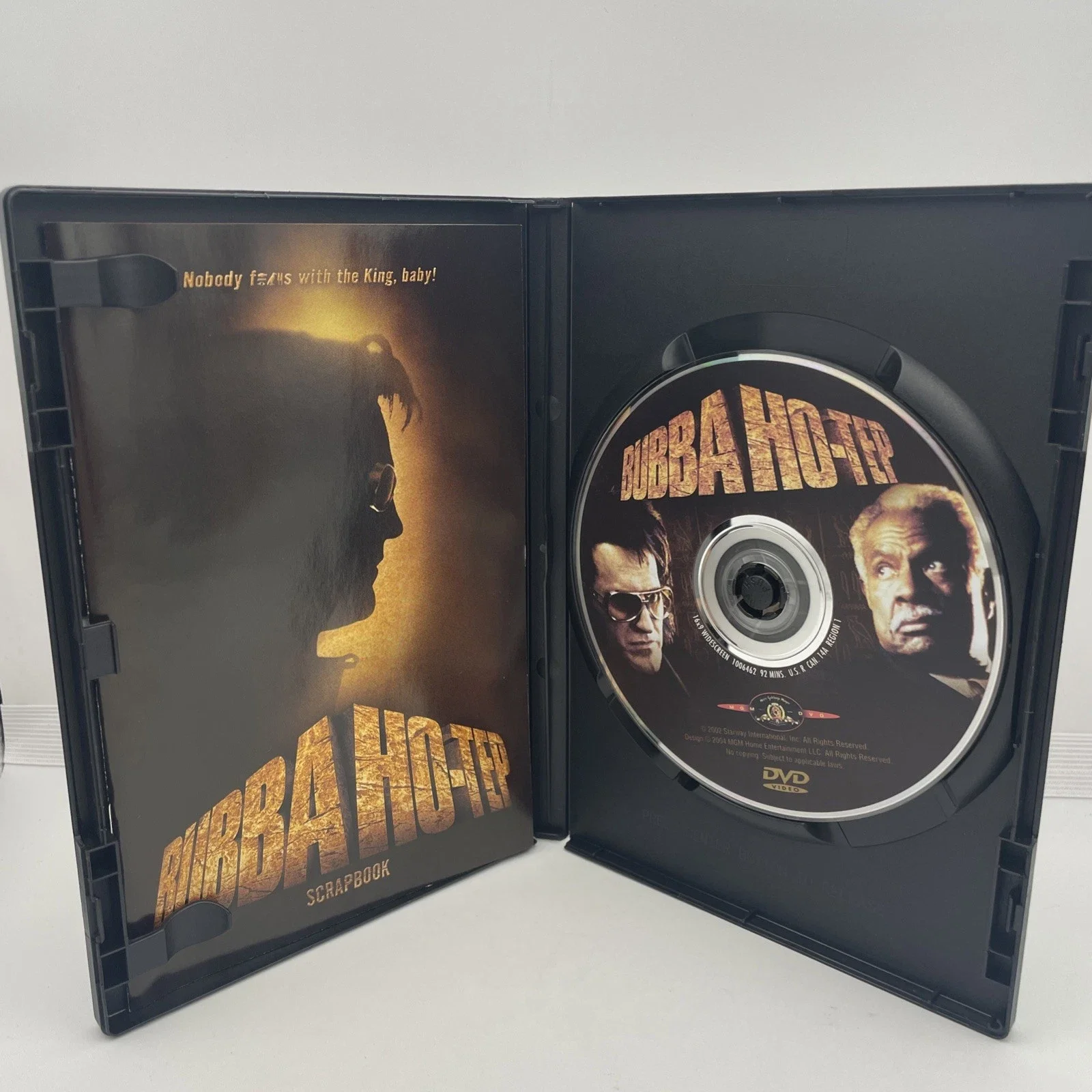
The original DVD for Bubba Ho-tep released by MGM
Bubba Ho-Tep was released on DVD by MGM Studios in 2004, and the disc went on to be one of the biggest sellers of the year. It featured many bonus features, including a special commentary by Bruce Campbell as "Sebastian Haff." A special "Jumpsuit" Edition was also released.
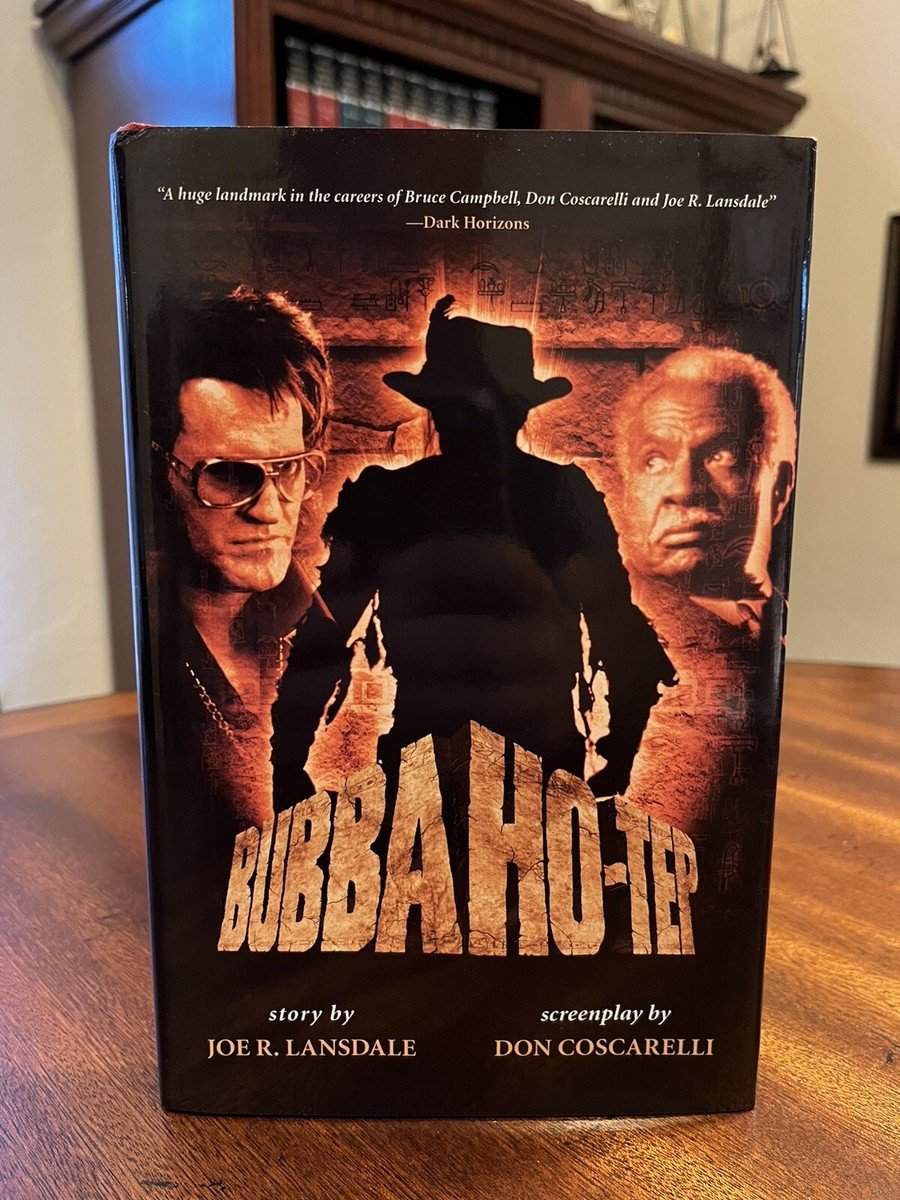
The long sold out print edition of the Bubba Ho-tep short story by Joe R. Lansdale and screenplay by Don Coscarelli
That same year, Night Shade Books published Lansdale's short story and Coscarelli's screenplay version in a limited edition book that sold out instantly and became a hot item on the collector and resale market. A special autographed edition of Brian Tyler's Bubba Ho-Tep soundtrack was also released and sold out quickly.
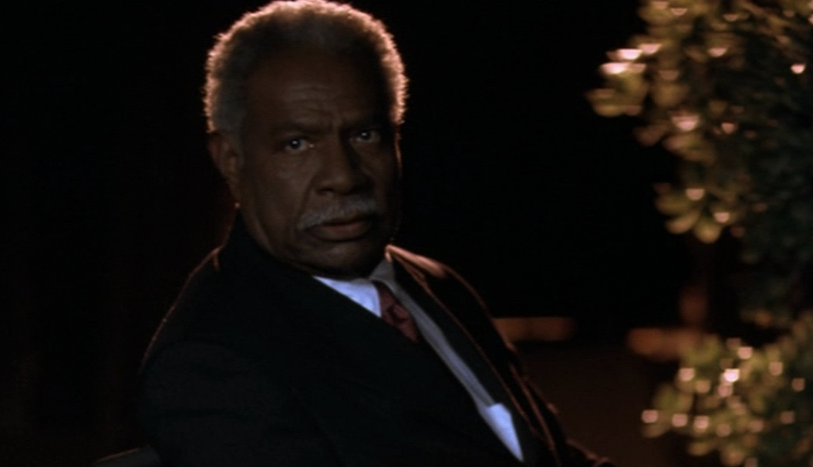
In February 2005 we mourned the loss of the great Ossie Davis
In February 2005, the film community mourned the loss of beloved President Ossie Davis, who passed away in Miami, Florida, on February 4th. His performance as JFK remains one of the most cherished aspects of the film. Later that year, Coscarelli adapted another Joe R. Lansdale story, "Incident On and Off a Mountain Road," for the Showtime anthology series "Masters of Horror," alongside directors John Carpenter, Dario Argento, Tobe Hooper, and others. "Incident" was selected by Showtime to be the premiere episode of the series.
Cult Classic (2016-PresenT)
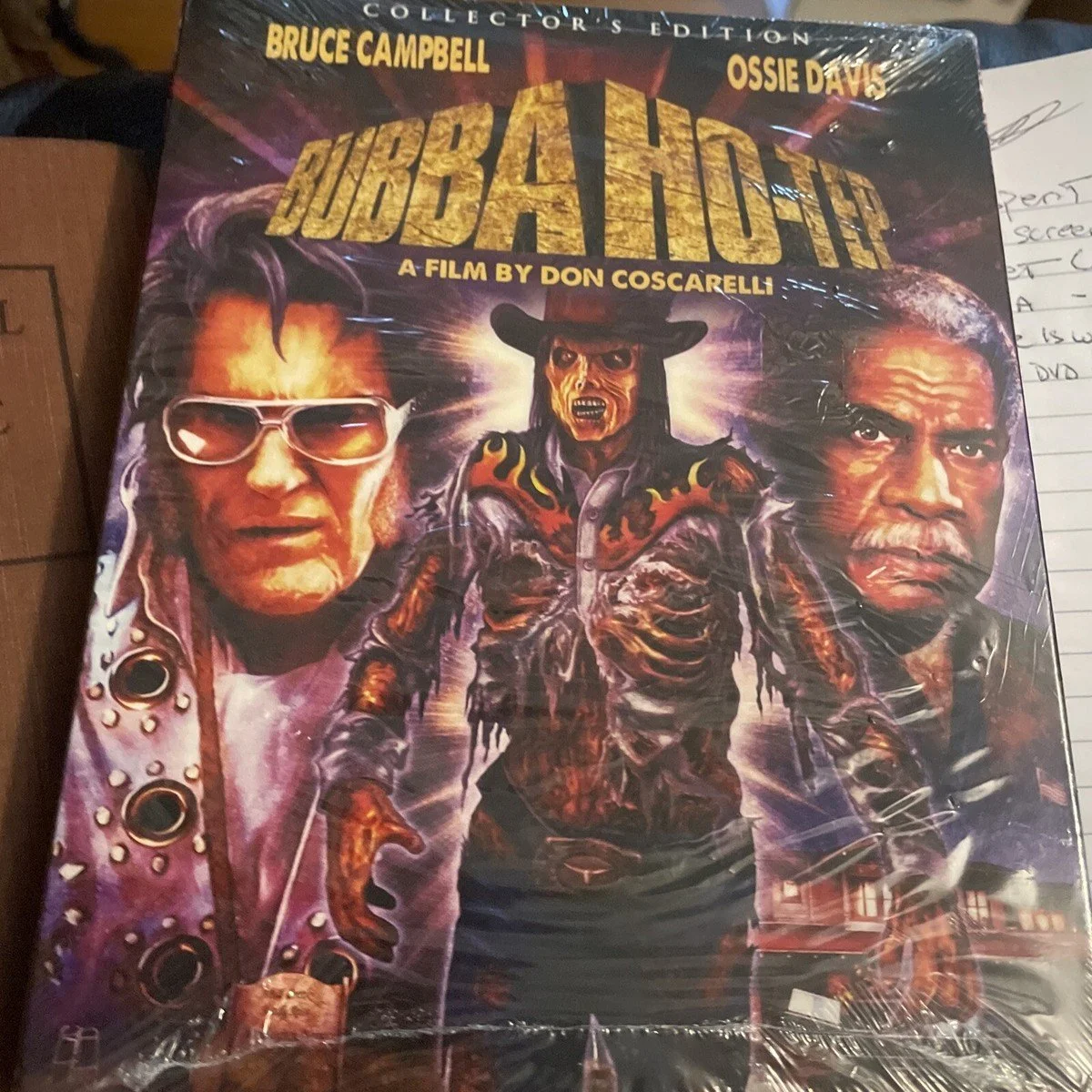
Shout Factory’s 2016 release of Bubba Ho-tep
In 2016, Shout! Factory released a Blu-Ray version of Bubba Ho-Tep on their Scream Factory imprint, introducing the film to a new generation of horror fans. In 2022, legendary genre apparel company Cavity Colors created a Bubba Ho-Tep apparel line that quickly sold out, demonstrating the film's continued popularity among fans.
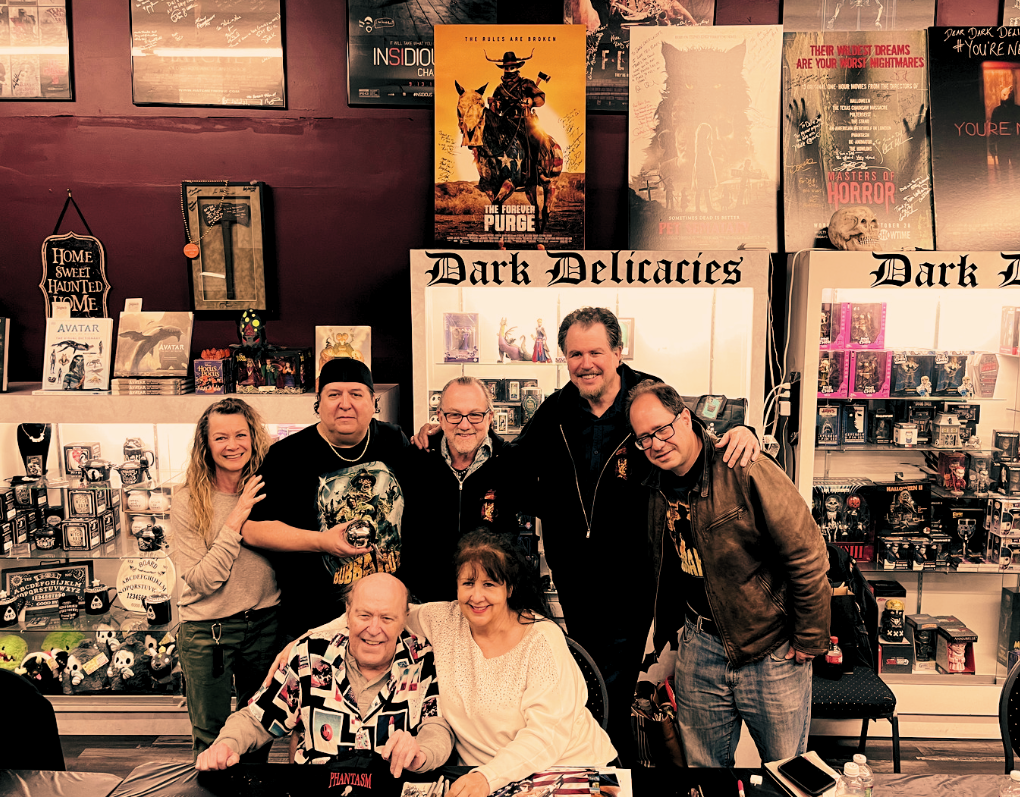
A very special Bubba Ho-tep reunion in Burbank, CA in 2023
The year 2023 marked a special milestone when Scream Factory/Shout! Factory released Bubba Ho-Tep on 4K for the first time. The brand new transfer was personally supervised by director Don Coscarelli, ensuring that the film looked better than ever. To celebrate the 4K release, iconic LA bookstore Dark Delicacies hosted a sold-out signing and reunion, bringing together cast and crew from Bubba Ho-Tep once again.
Additionally in 2023, legendary collectible company Mondo released a immediate sell out screenprint poster from the talented artist Randy Ortiz:
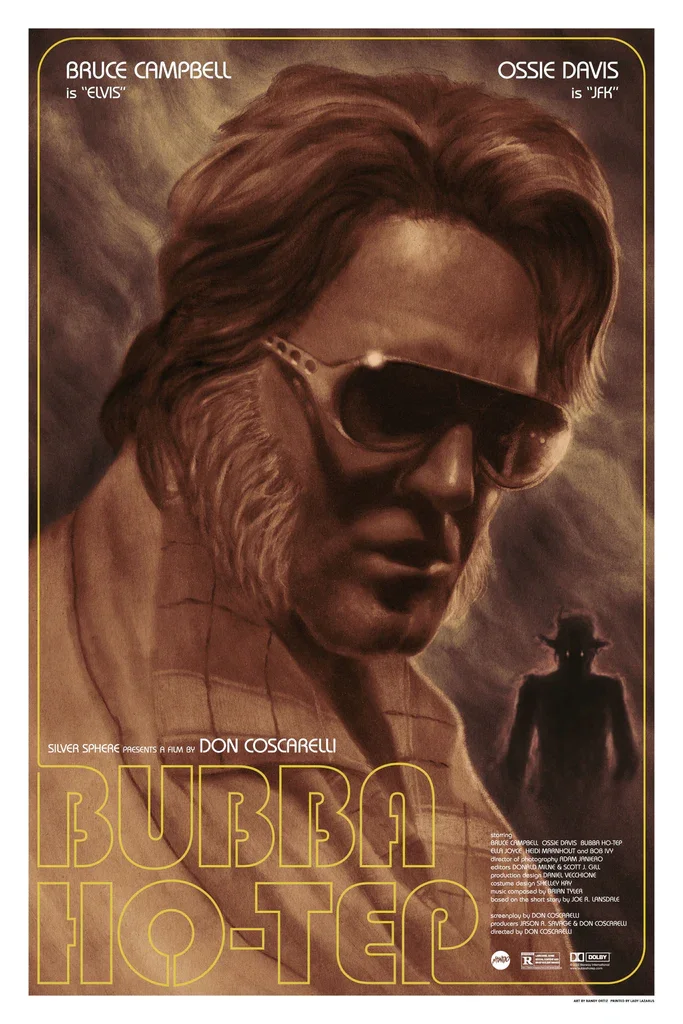
Randy Ortiz’s 2023 Mondo Bubba Ho-tep sold out immediately
Also, in 2023 the great Cavity Colors with artist Devon Whitehead created a beautiful apparel collection of Bubba Ho-tep items:
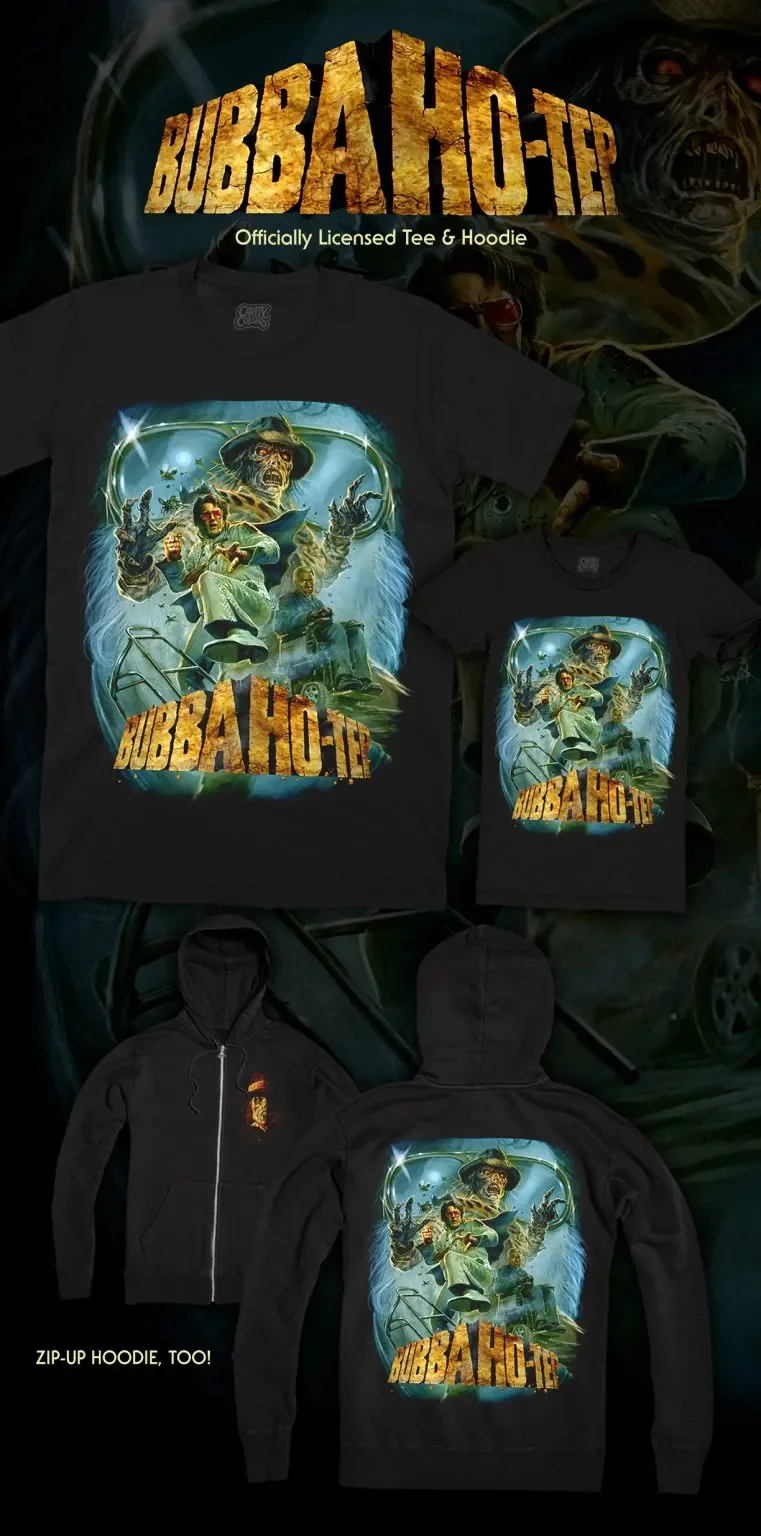
Cavity Colors long out of print apparel collection came in early 2023.
The year 2024 brought Brian Tyler’s Bubba Ho-tep soundtrack to vinyl for the first time and became a hot collectors item:
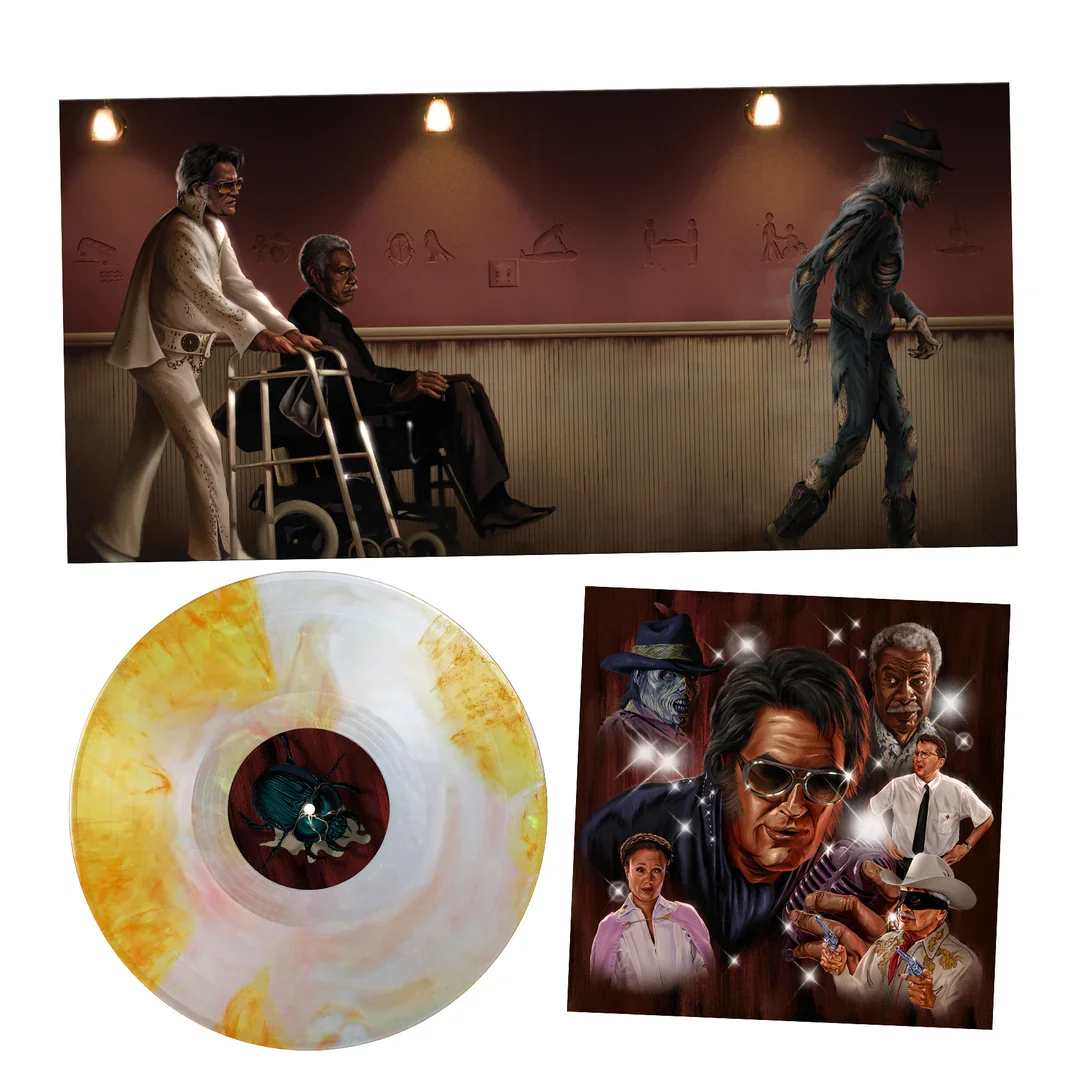
ALL IS WELL/THE FUTURE
Fans continue to hold out hope for that long-teased sequel, Bubba Nosferatu: Curse of the She-Vampires, which has remained in development limbo since it was first announced in the original film's end credits. A reprint of the limited edition novelization would be welcomed by collectors who missed out on the original run, and there's always talk of new merchandise, commemorative screenings, and perhaps even a documentary exploring the film's improbable journey from short story to cult phenomenon. Whatever the future holds, one thing is certain: the legend of Bubba Ho-Tep is far from over!